





Areca Nut Export Packing: What Importers Should Know
When sourcing areca nuts from Indonesia, importers need to consider more than the product specifications and price. Packaging, net weight, order quantity, cargo handling, and shipping arrangements should also be confirmed before an export order is prepared.
At PT Rezeki Mandiri Global, based in Jambi, Indonesia, packing requirements are discussed according to the product and buyer's order specifications. This article explains the main packing details that international buyers should confirm when purchasing areca nuts for export.

1. Confirm the Required Bag Type
The bag type should be agreed upon before the order is prepared. Buyers should explain their preferred packaging and confirm whether the proposed packing is suitable for their handling, storage, and transportation requirements.
Areca nut products can be prepared in different packing arrangements depending on the order. The appropriate option should be confirmed between the buyer and supplier before production and shipment preparation.
When requesting a quotation, buyers should specify any particular bag material, marking, labeling, or packing instructions required for their market.
2. Confirm the Net Weight per Bag
Net weight per bag is an important detail in export packing. Buyers should confirm the required weight of the product inside each bag and distinguish it from the gross weight, which includes the packaging.
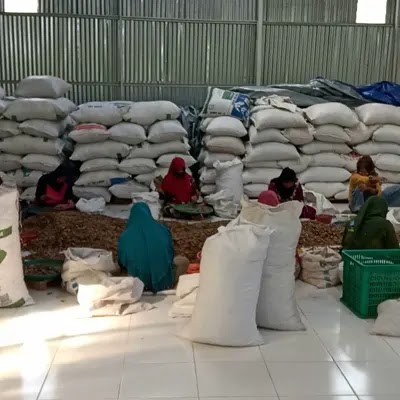
PT Rezeki Mandiri Global has experience preparing areca nut products in 50 kg and 60 kg gunny bags, subject to the requirements of the order.
Before confirming a purchase, buyers should agree on:
- Required net weight per bag
- Number of bags
- Total net cargo weight
- Any applicable gross-weight or transport restrictions
These details help both parties align the packing plan with the purchase quantity and shipping arrangement.

3. Match the Packing Plan to the Order Quantity
The required quantity affects the number of bags, packing materials, handling arrangements, and transportation planning.
For example, an order measured in metric tons needs to be translated into a practical packing plan based on the agreed net weight per bag.
Buyers should confirm the total order quantity and packing weight before the cargo is prepared. Any special requirements should be discussed early to reduce misunderstandings during packing and shipment preparation.
4. Consider Product Handling during Packing
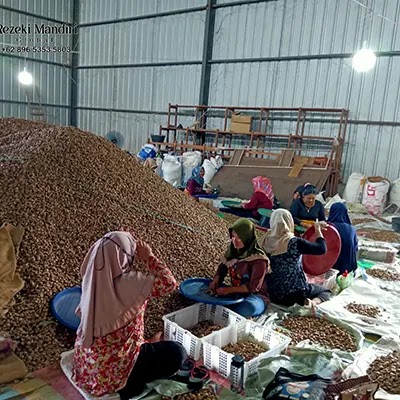
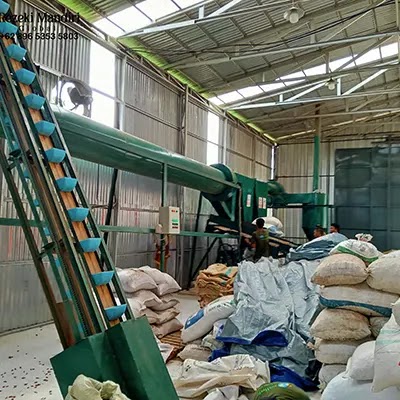
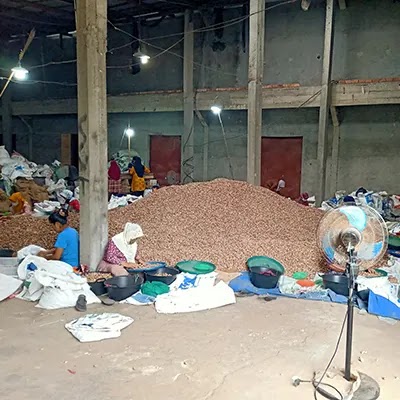
Proper handling is an important part of preparing packed areca nuts for transportation. Bags should be handled according to the nature of the product and the requirements of the order.
Buyers and suppliers should also discuss any special handling or storage requirements relevant to the product, packaging, and expected transportation conditions.

5. Plan Container Loading and Cargo Transportation
After packing, the cargo needs to be prepared for transportation and, where applicable, container loading.
The shipping plan depends on the total cargo quantity, packing dimensions and weight, destination, available container options, and applicable carrier restrictions.
Buyers should confirm the shipment quantity and destination port with the supplier before finalizing the shipping arrangement. Container availability, freight rates, and sailing schedules should also be reconfirmed with the relevant logistics provider.

6. Confirm Packing Details before Shipment
Before an export order proceeds to shipment, the buyer and supplier should ensure that the agreed packing details are clear.
A practical packing checklist includes:
- Product type and specification
- Bag type and packing material
- Net weight per bag
- Total number of bags
- Total net cargo weight
- Any required markings or labels
- Destination port and shipping arrangement
The final packing details should match the commercial agreement and applicable transport requirements.
7. Packing Requirements May Differ by Buyer and Market
Not every importer has the same packing requirements. Some buyers may specify a particular bag weight, while others may have additional requirements for labels, markings, or cargo handling.
For this reason, importers should provide their packing instructions when requesting a quotation rather than assuming that every supplier uses the same packing arrangement.
Clear written specifications help the buyer and supplier confirm the same expectations before the order is prepared.
Request Areca Nut Export Packing According to Your Requirements
PT Rezeki Mandiri Global supplies areca nut products from Jambi, Indonesia, for international buyers.
If you are an importer, distributor, or trading company interested in sourcing areca nuts, please provide your product specifications, required grade, order quantity, bag weight, packing requirements, and destination port.
These details will help us understand your requirements and discuss the appropriate product and export arrangement for your inquiry.
PT Rezeki Mandiri Global
Jambi, Indonesia
Areca Nut and Betel Nut Exporter
Watch Our Areca Nut Export Packing Activities
Watch our video showing areca nut export packing, weighing, and handling activities.


